

Building empathy with patients living in social isolation.
A new forensic psychiatric program being conducted at St. Joseph’s Healthcare Hamilton Charlton Campus in Hamilton, Ontario is exposing healthcare employees to the realities of isolated living in the hopes of building a more supportive relationship with patients confined to seclusion rooms.
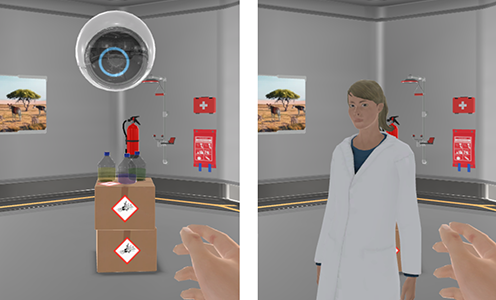
Lead by Dr. Gary Chaimowitz, a Psychiatry & Behavioural Neurosciences professor at McMaster University and Head of Service & Forensics at St. Joseph’s Healthcare, the exercise features two VR simulations. The first, a basic hospital seclusion room with no windows or bathroom; the second, a low lit prison cell. Each hyper-realistic environment was crafted by Ottawa-based VR/AR developers SimWave using a series of photos taken of actual hospitals and prisons.
During the seclusion room experience, participants must gain the attention of various in-game hospital staff in order to use the bathroom. As they call out for assistance, users are met with 10 predetermined responses, ranging anywhere from “Yes, we’ll get you something,” to “Hold on a sec, we’re a little bit busy right now.” One some occasions the users is met purely with laughter. Chaimowitz and his team hope that by placing healthcare workers in the shoes of the very patients they’re assisting, hospital staff will be able to develop stronger, more supportive relationships with their patients.
“We wanted to see what it was like to be on the other side of the door,” states Chaimowitz according to The Star. “I think many of us can imagine, or recall times when you’ve been in places by yourself, when you didn’t want to be by yourself, left alone, but this puts you, as a staff person, in our rooms.”
Some early reactions had several staff members removing their headsets out of pure discomfort, feeling enclosed by the tight space and lack of human interaction.
“We’re looking at how long you can be in there before you get anxious,” continues Chaimowitz, “and what it’s like to have a different staff response, the idea being that we are going to try to sensitize staff to what it’s like to be on the inside, which might change the way they interact with patients, both in terms of their tone and also a recognition of what it’s like to be there.”
These VR training modules are currently being employed at St. Joseph’s Healthcare with the hopes of eventually introducing the technology to not only healthcare facilities and penitentiaries, but to the patients themselves.
“They are basically stuck in their unit and the perimeter around St. Joe’s and Hamilton. So, they can’t do a lot,” states psychiatrist Sébastien Prat. “We want to develop that kind of project, in order to make them able to travel to a beach or somewhere they want to go, so they can enjoy something.”
Quelle:
https://vrscout.com/news/st-josephs-vr-seclusion-rooms/#
Image Credit: SimWave / Jim Rankin & Toronto Star
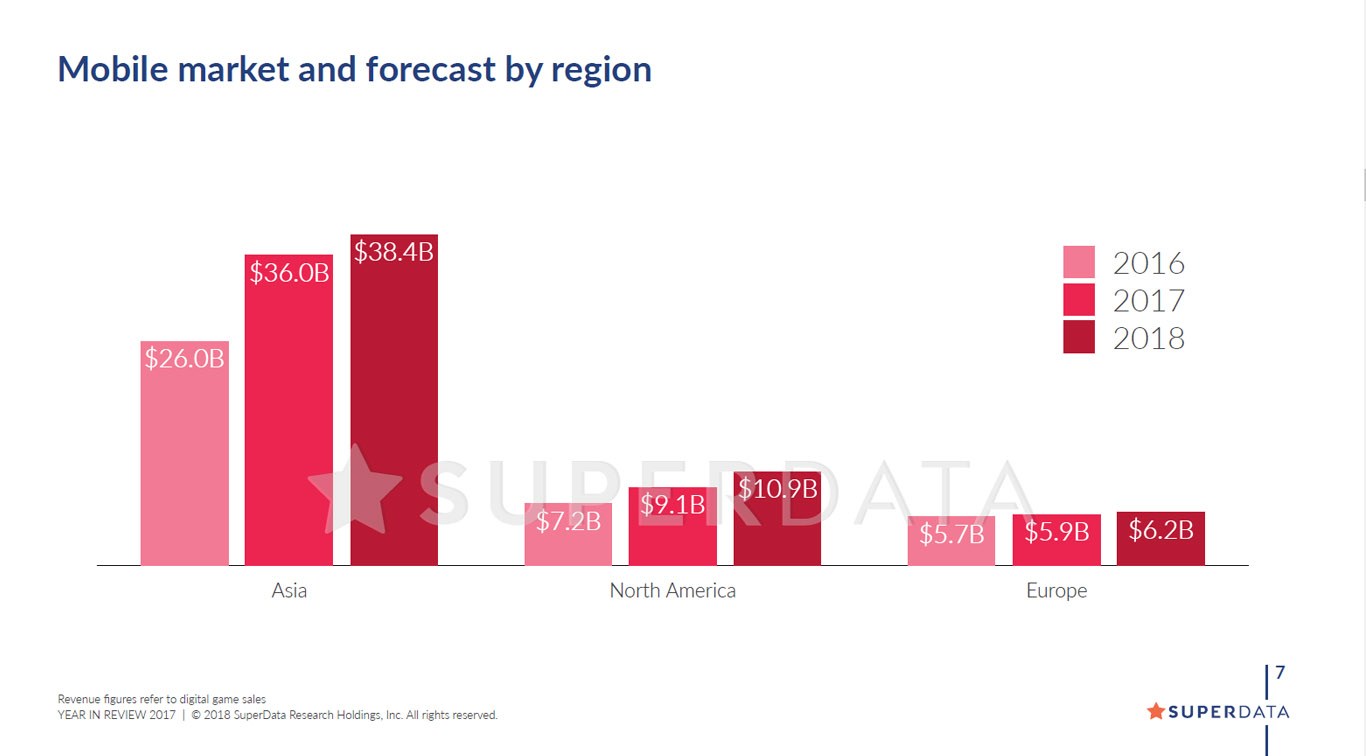 Mögliche Zahlenverhältnisse sprechen für sich – auch wenn diese mit dem Schwerpunkt Mobile Gaming sind – und es ist klar, wenn die Technologische Entwicklung mit der Investitionen Schritt halten kann, wird China hier weiter viel Investieren und Rahmen schaffen um Innovationen voranzutreiben, bleiben diese aus, wird man sehen müssen wie sich dies weiterentwickelt.
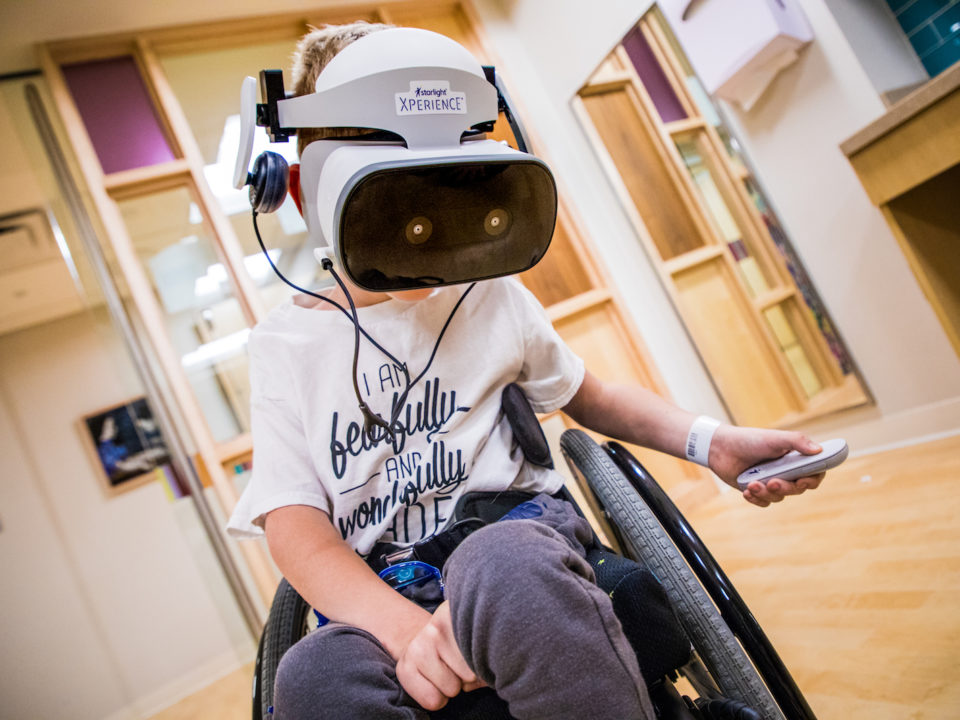 The Magic of VR
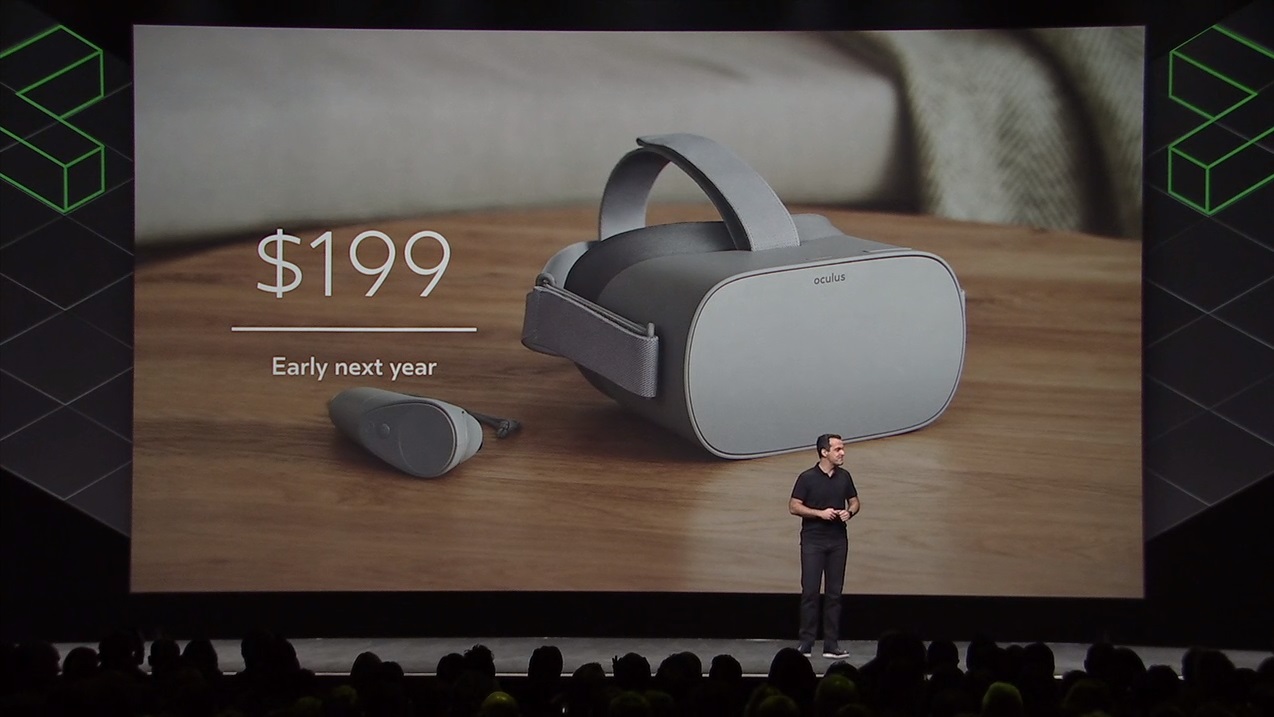 Oculus Go’s $200 pricing was leaked in mid-2017, but the headset was formally revealed at the Oculus Connect 4 VR developer’s conference. The system

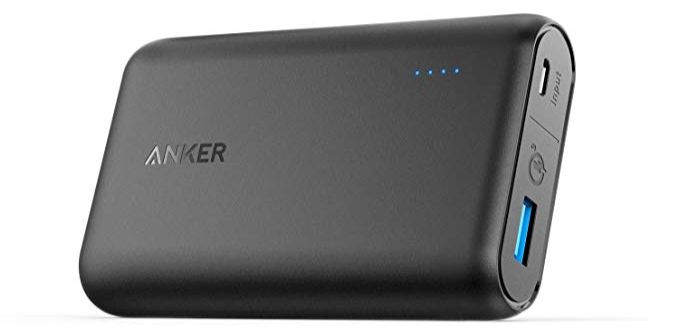
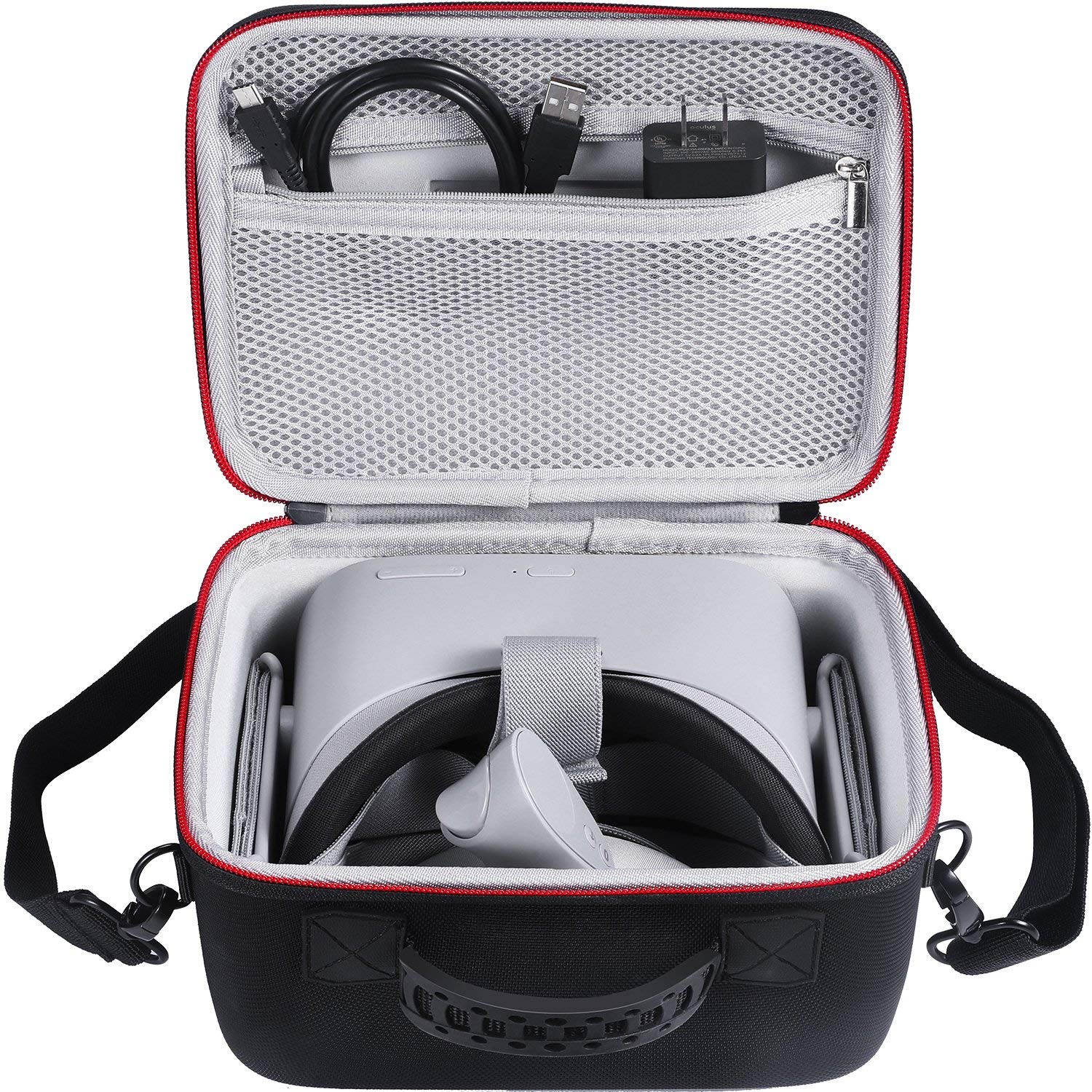
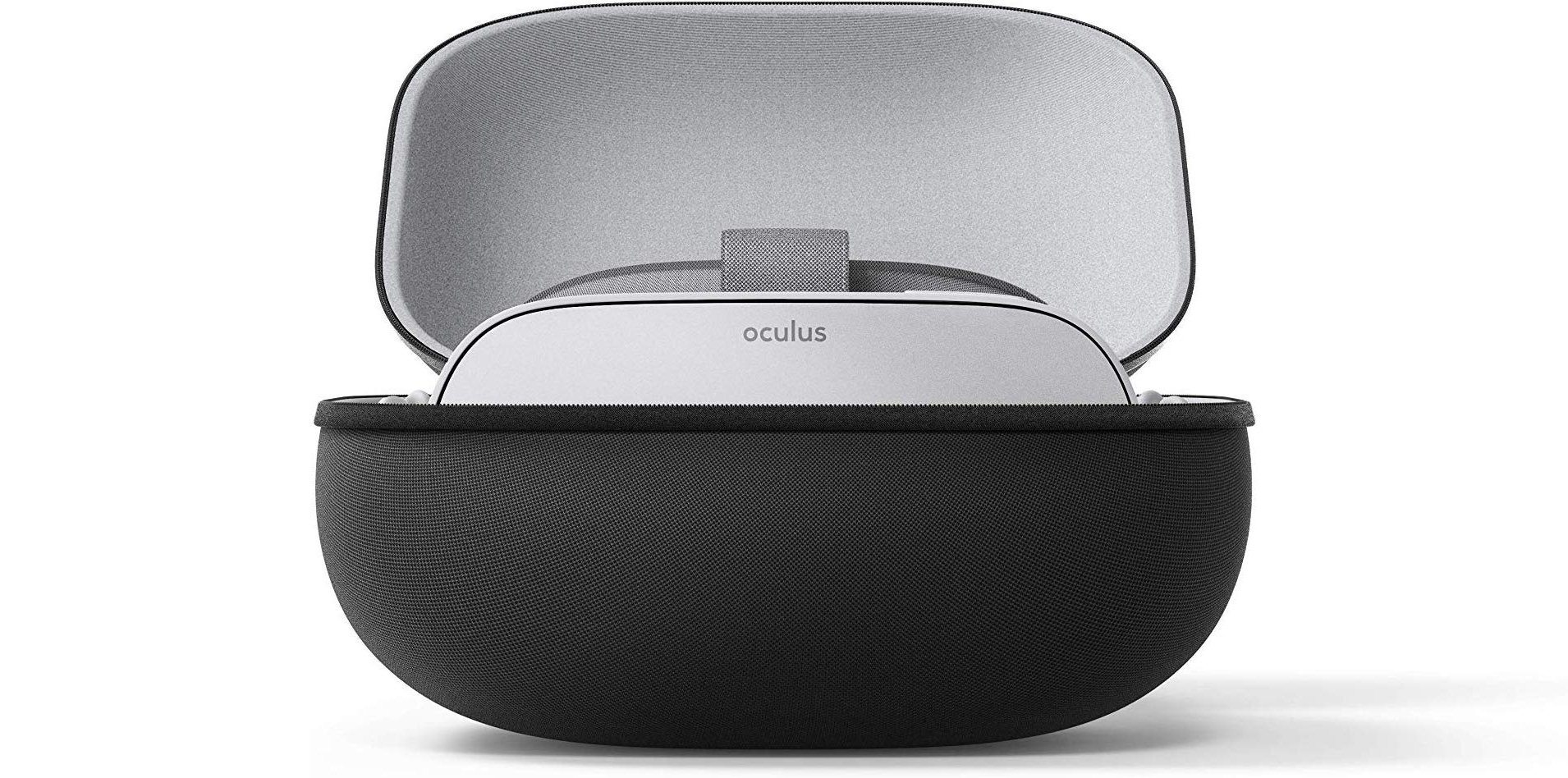 Advice: We’ve tested both these travel cases with Oculus Go and each provides ample room for a battery pack, cords, controller and the headset itself. You won’t be able to fit a gamepad in these cases but it’s not exactly a necessity to carry that with Go.