
Housed in Paris’ Lovure Museum, Leonardo da Vinci’s Mona Lisa is almost always surrounded by throngs of tourists, desperate for a glimpse and maybe a photo or two of the 16th century painting. Now, HTC Vive Arts and the Louvre are opening a virtual reality experience that centers on the story of the painting and decidedly takes you well beyond the glass case housing the iconic work.
Mona Lisa: Beyond the Glass, the VR experience is the first of its kind presented at the Louvre, and will be on display at the museum’s special exhibition of Leonardo da Vinci, commemorating the 500th anniversary of his death.
The seven-minute experience will be available from October 24th, 2019 to February 24th, 2020 at the museum’s Hall Napoléon, offered to the public via 11 headset stations, The New York Times maintains.
HTC says in a blog post that Mona Lisa: Beyond the Glass includes new scientific research, and highlights “details invisible to the naked eye, as well as providing insight into the techniques da Vinci used, and the identity of his sitter.”
An extended version of the VR experience will launch on October 24th, coming to Viveport and “other online platforms,” HTC says, which includes support for Vive, Vive Pro, Vive Cosmos, and Oculus Rift.
The experience was developed by Emissive in collaboration with the Louvre, and is supported by HTC Vive Arts, the multi-million dollar art initiative that aims to support content, creators and institutions that want to use VR to bring people closer to art of all forms.
Quelle:
The Louvre is Bringing The Mona Lisa to Life Soon in a New VR Experience
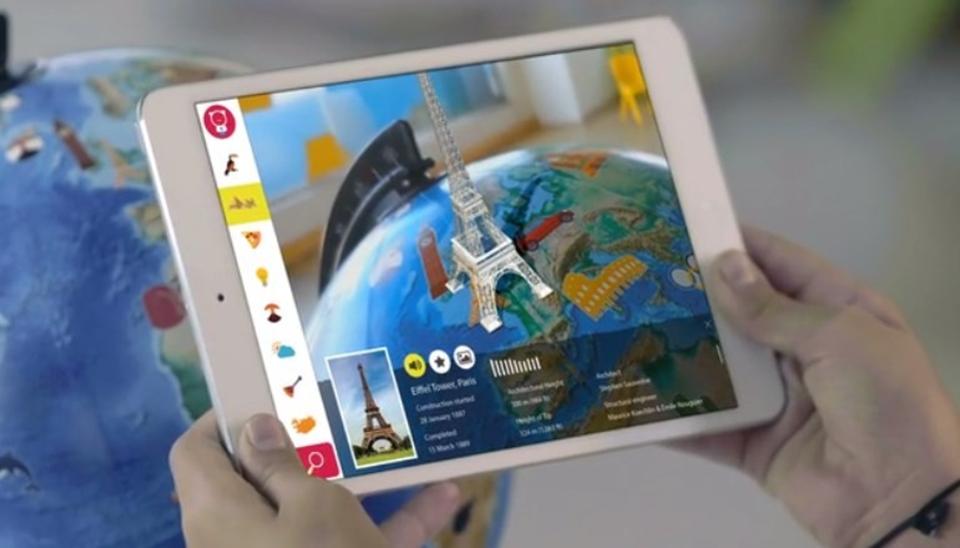 Orboot is a 10-inch globe and companion app (iOS or Android) that lets kids check out the world and complete activities in an augmented reality environment. ORBOOT
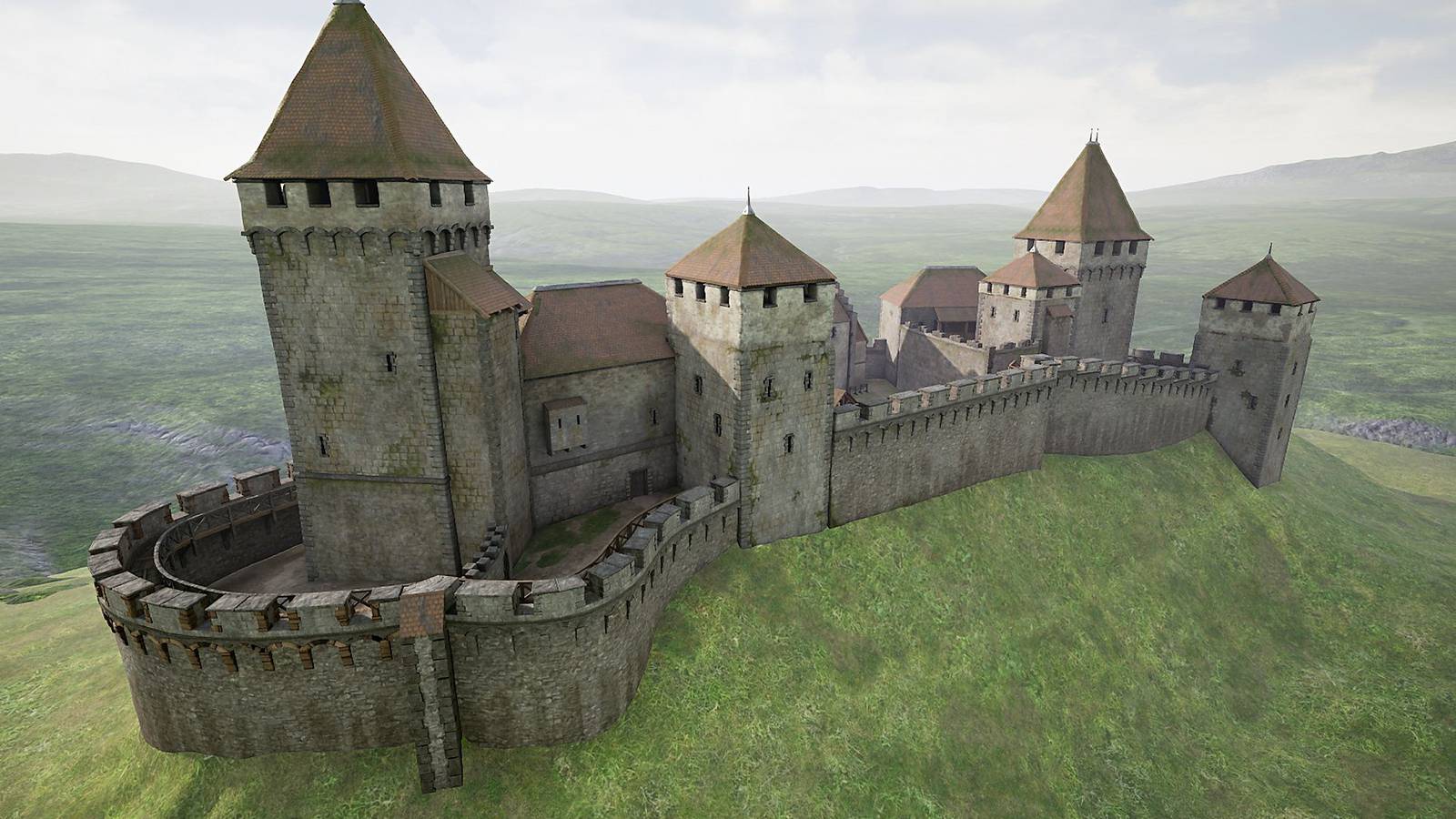 Eine Brille aufsetzen und los gehts an einen Ort, den es so nicht mehr gibt. Ein Habicht fliegt auf die Stammburg der Habsburger zu, die Szene spielt im Jahr 1200. Die vier imposanten Türme sind umrandet von massiven Schlossmauern. Das Schloss steht noch in seiner vollen Pracht.
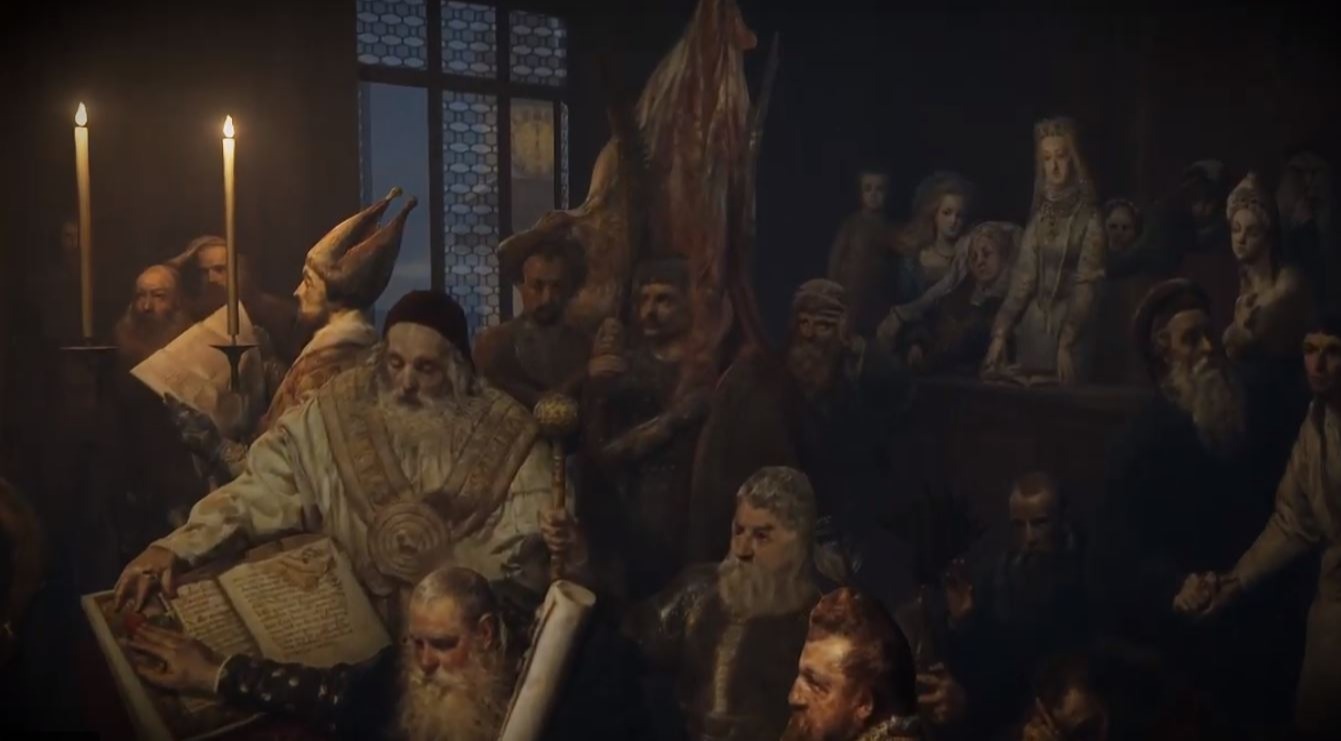 The VR experience also helps users learn about the famous Jan Matejko painting ‘Unia Lubelska’.
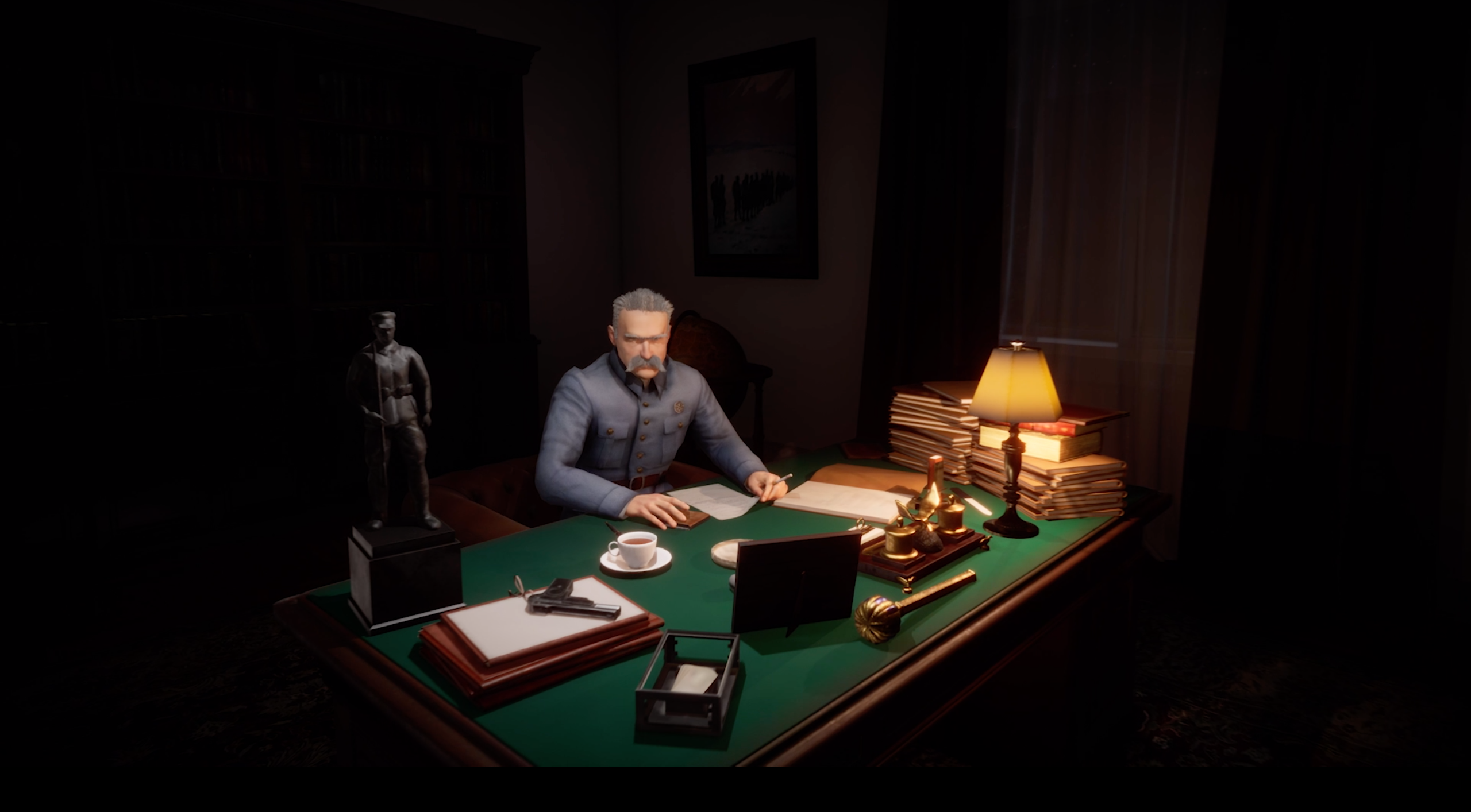 The VR rendering of Piłsudski’s desk and private possessions are historically accurate, a picture from the National Digital Archives confirms the authenticity of items in the office.
 Digital education designed to teach future skills